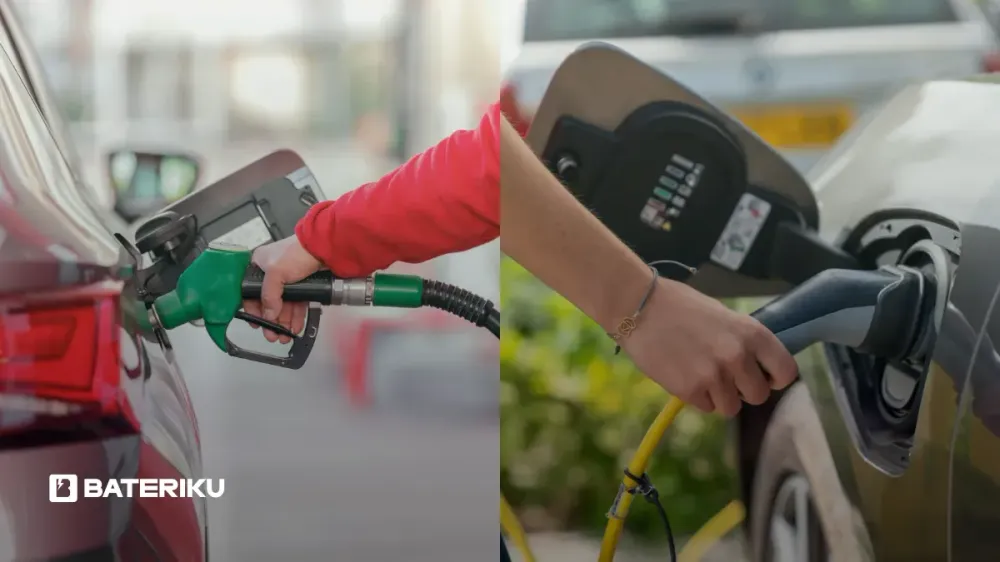
Every time the world faces a global crisis, people adapt to new routines. It happened during the pandemic, and it is happening again today. From energy shortages to rising fuel prices, global disruptions often push societies to rethink how we live, work, and move.
Global Crisis Forces Change: Is This the Right Time for Malaysia to Shift to EV?
The real question now is simple. Are we ready to embrace electric vehicles and renewable energy as the next normal?
How Global Crises Change Our Daily Routine
When COVID-19 hit, governments introduced quarantine measures to break the chain of infection. Businesses and corporations quickly implemented work-from-home policies. What started as an emergency response soon became a sustainable working model for many industries.
Today, the world is confronting another global crisis. This time it involves disruptions in petrol, diesel, and natural gas supply. Geopolitical tensions in the Middle East have caused fuel prices to increase sharply. Some countries have even limited public movement because they can no longer afford heavy fuel subsidies. Remote work has again become a practical solution to reduce fuel consumption.
In Malaysia, however, the government continues to subsidize fuel prices to ease the burden on the people. While this helps in the short term, the long-term conversation is shifting toward alternative energy and electric mobility.

Is This the Right Time to Switch to EV in Malaysia?
Since 2024, Malaysians have seen a noticeable rise in electric vehicles on the road. The momentum accelerated when homegrown brands introduced models such as e.MAS 7, e.MAS 5, and the Perodua QVE. At the same time, more international brands, especially from China, entered the local automotive market.
With more choices available, consumers now face a different challenge. Instead of asking whether EVs are viable, the question has become which EV fits their needs.
Growing EV Charging Infrastructure
One of the biggest concerns previously was charging availability. Many people feared there were not enough charging stations.
That has changed significantly.
Over the past few years, EV chargers have expanded across highways, shopping malls, office buildings, and public parking areas. The increasing infrastructure shows strong demand and signals that Malaysia is becoming more prepared for EV adoption.
Solar Energy Makes EV Ownership More Practical
Malaysia benefits from abundant sunlight due to its geographic location. This creates an opportunity to pair EV ownership with solar energy.
Homeowners and businesses can install solar panels and charge their vehicles using renewable energy. This reduces electricity costs and supports zero-emission mobility. Charging an EV at home using solar power also helps reduce dependence on fossil fuels while improving environmental sustainability.
What Is Stopping People From Owning an EV?
Today, the main barrier is pricing. Aside from cost, there are fewer reasons not to consider EV ownership. The market is expanding, technology is improving, and infrastructure continues to grow.
Consumers now have an open market with multiple options, making it easier to choose a vehicle that suits their lifestyle and budget.
Technology Adoption Is the Way Forward
As Malaysia grows, technology will continue to shape daily life. People are becoming more comfortable adapting to new solutions, from digital payments to electric mobility. The shift to EVs is simply another step in that evolution.
Fun Fact: EVs Still Need a 12V Battery
Many people do not realize that electric vehicles still require a 12V battery to start the system. This battery powers essential electronics before the high-voltage system activates.
That is where Astra batteries become a practical choice:
- Nationwide coverage
- GPA Takaful insurance up to 4 times coverage
- Warranty up to 12 months
If your car breaks down, Bateriku provides roadside assistance. This includes:
- Battery replacement
- Jumpstart service
- Petrol refill for fuel cars
- Tyre changing assistance
It is not just about batteries. It is about keeping drivers moving when they need help most.
Biodiesel as Another Alternative Energy Source
Recently, FELDA announced biodiesel as another alternative to petrol. The B100 biodiesel could be marketed at around RM4.50 per litre, depending on crude palm oil prices. However, a government policy is still needed, as current crude palm oil supply may not be sufficient to roll out B100 nationwide immediately.
This shows Malaysia is actively exploring multiple clean energy solutions, not just EVs.
Building a Sustainable Energy Ecosystem
Malaysia is moving toward a cleaner energy future. Renewable energy, EV adoption, and sustainable battery recycling are all part of the same ecosystem.
Bateriku plays a role by responsibly disposing of scrap batteries according to regulations and rebuilding them into Astra batteries. These batteries are SIRIM certified and tested through green laboratory standards.
This circular ecosystem mirrors how solar energy powers homes, homes charge EVs, and EVs reduce emissions. Each part connects to create a cleaner and more sustainable future.
Connecting the Dots for a Greener Malaysia
Global crises often accelerate change. From work-from-home policies to electric mobility, adaptation is how societies move forward.
Malaysia is ready to embrace renewable energy, EV adoption, and smarter mobility solutions. With growing infrastructure, solar potential, and evolving technology, the transition is already happening.
We must embrace change so we are not left behind by developed nations. The future of mobility is cleaner, smarter, and more connected.
We keep moving. Bateriku, beyond batteries.