Modern vehicles rely on hundreds of components working together to deliver smooth performance, fuel efficiency and reliability. Among these components is the spark plug, a small but critical part of your engine's ignition system.
Despite its size, a faulty spark plug can lead to poor engine performance, increased fuel consumption, rough idling and even difficulty starting your car.
Signs of a Bad Spark Plug: Symptoms, Causes and What You Should Do
Many drivers overlook the early warning signs until the problem becomes severe and affects other engine components. Understanding the symptoms of a bad spark plug can help you avoid costly repairs and keep your vehicle running at its best.
What Is a Spark Plug?
A spark plug is a component that delivers an electrical spark inside the engine's combustion chamber.
This spark ignites the air-fuel mixture, creating the combustion needed to power the engine. Every time you accelerate, cruise or idle, your spark plugs are constantly working to ensure efficient combustion.
Without properly functioning spark plugs, your engine cannot operate efficiently, resulting in performance and fuel economy issues.
Below is a diagram of a spark plug:

Common Signs of a Bad Spark Plug
1. Engine Difficult to Start
One of the earliest symptoms of a bad spark plug is difficulty starting the engine.
When the spark plug cannot generate a strong enough spark, the air-fuel mixture may not ignite properly. As a result, the engine may take longer to crank or require multiple attempts before starting.
This issue is especially noticeable:
- Early in the morning
- After the vehicle has been parked for a long period
- During cold weather conditions
2. Rough Idle or Engine Vibrations
Does your car shake or vibrate while idling?
A damaged or worn spark plug can cause uneven combustion across the engine cylinders, resulting in rough idling and noticeable vibrations.
You may experience this symptom when:
- Stopped at traffic lights
- Idling in traffic
- Running the air-conditioning system
If left unchecked, prolonged misfires can place additional stress on other engine components.
3. Reduced Engine Performance
A faulty spark plug often causes a noticeable drop in engine performance.
Common symptoms include:
- Sluggish acceleration
- Reduced engine power
- Hesitation when pressing the accelerator
- Poor throttle response
If your vehicle feels less responsive than usual, worn spark plugs could be the culprit.
4. Increased Fuel Consumption
Bad spark plugs can negatively affect combustion efficiency.
When combustion becomes incomplete, the engine compensates by consuming more fuel to generate the same amount of power.
This may result in:
- Lower fuel economy
- More frequent trips to the petrol station
- Increased running costs
Many vehicle owners are surprised to discover that worn spark plugs can significantly impact fuel consumption.
5. Popping Sounds from the Exhaust
Unusual popping or banging sounds from the exhaust system may indicate incomplete combustion.
This occurs when unburned fuel enters the exhaust system and ignites outside the combustion chamber, a condition commonly referred to as an engine backfire.
Besides the noise, you may also notice inconsistent engine performance and reduced driving smoothness.
6. Thick Smoke from the Exhaust
Excessive exhaust smoke can be another warning sign of spark plug-related issues.
A faulty spark plug can contribute to incomplete combustion, leading to:
- Black smoke
- Blue smoke
- Strong fuel odors from the exhaust
While exhaust smoke can stem from several causes, spark plugs should always be inspected as part of the diagnosis.
How to Identify Spark Plug Problems Through Visual Inspection
Examining the condition of your spark plugs can provide valuable clues about your engine's health.
1. Normal Spark Plug
Characteristics:
- Light brown or grey coloration
- Clean electrode
- Minimal deposits
This indicates healthy combustion and normal engine operation.
2. Oil-Fouled Spark Plug
Characteristics:
- Wet or oily deposits on the tip
Possible causes:
- Oil leaks into the combustion chamber
- Worn valve seals
- Damaged piston rings
3. Carbon-Fouled Spark Plug
Characteristics:
- Thick black carbon deposits
Possible causes:
- Rich air-fuel mixture
- Clogged air filter
- Incomplete combustion
4. Overheated Spark Plug
Characteristics:
- White or blistered electrode
- Burnt appearance
Possible causes:
- Engine overheating
- Incorrect air-fuel ratio
- Improper spark plug specification
5. Corroded Spark Plug
Characteristics:
- Rust or corrosion on the plug body
Possible causes:
- Excessive moisture
- Water intrusion
- Extended service life
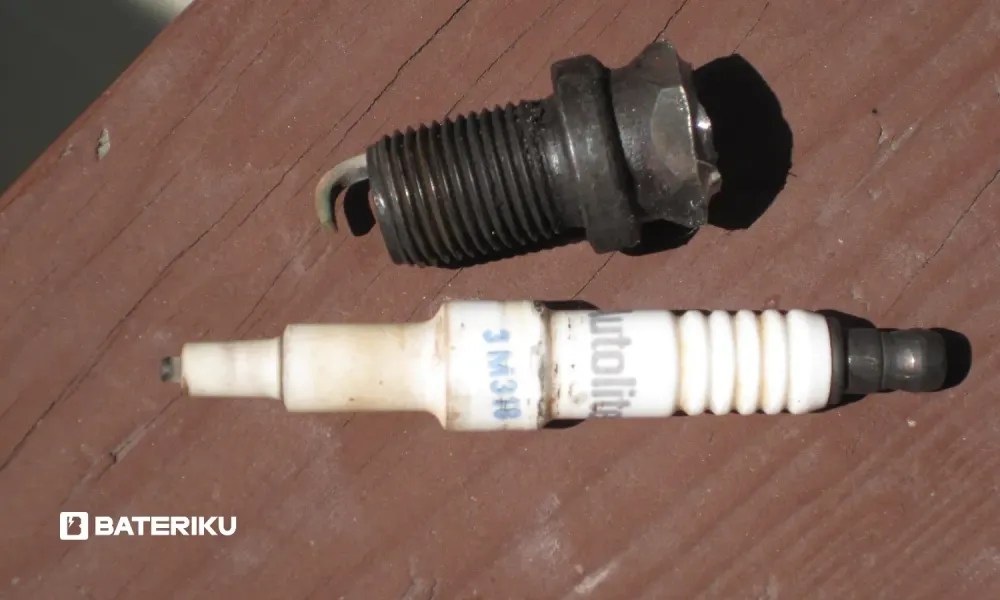
6. Loose Spark Plug in the Cylinder Head
Characteristics:
- Signs of leakage around the threads
- Carbon deposits near the mounting area
Possible causes:
- Incorrect installation torque
- Improper fitting
A loose spark plug can cause compression loss and reduced engine efficiency.
What Causes Spark Plugs to Fail?
1. Age and Wear
Like any consumable component, spark plugs wear out over time.
Typical replacement intervals are:
- Conventional spark plugs: 20,000 – 30,000 km
- Iridium spark plugs: Up to 100,000 km
Exceeding the recommended service interval can significantly affect performance.
2. Carbon and Deposit Build-Up
Over time, combustion deposits accumulate on the spark plug electrode, reducing its ability to generate a strong spark.
3. Engine Overheating
Excessive engine temperatures can damage the spark plug electrode and accelerate wear.
4. Ignition System Problems
Issues involving:
- Ignition coils
- Fuel injectors
- Engine sensors
can indirectly affect spark plug performance and lifespan.
5. Improper Installation
Spark plugs that are overtightened or undertightened can damage cylinder head threads and lead to engine performance issues.
What Should You Do If Your Spark Plug Is Bad?
1. Inspect and Clean the Spark Plug
A visual inspection can help determine whether cleaning is sufficient or replacement is necessary.
2. Replace the Spark Plug
If the spark plug is worn, damaged or heavily contaminated, replacing it is often the most effective solution.
3. Service the Ignition System
Related components such as ignition coils, fuel injectors and air intake systems should also be inspected to prevent recurring issues.
4. Perform Professional Diagnostics and Troubleshooting
Symptoms such as engine misfires, poor fuel economy and power loss are not always caused solely by spark plugs.
A comprehensive diagnostic inspection can accurately identify the root cause before the issue develops into a major repair.
Don't Ignore the Warning Signs of a Bad Spark Plug
A bad spark plug may seem like a minor issue, but it can significantly affect your vehicle's performance, fuel efficiency and reliability.
If you notice symptoms such as hard starting, rough idling, poor acceleration, increased fuel consumption or engine misfires, it is important to have your vehicle inspected as soon as possible.
Early diagnosis can save you from expensive repairs and prevent damage to other engine components.
Get Professional Diagnostics at BGarage
Not sure whether the problem is caused by your spark plugs, ignition coils, fuel injectors or another engine component?
BGarage provides professional diagnostic and troubleshooting services to accurately identify vehicle issues before they become costly repairs.
With convenient Pick-N-Drop and Drop-N-Go services, maintaining your vehicle has never been easier.
Book your vehicle inspection with BGarage today and keep your car performing at its best.