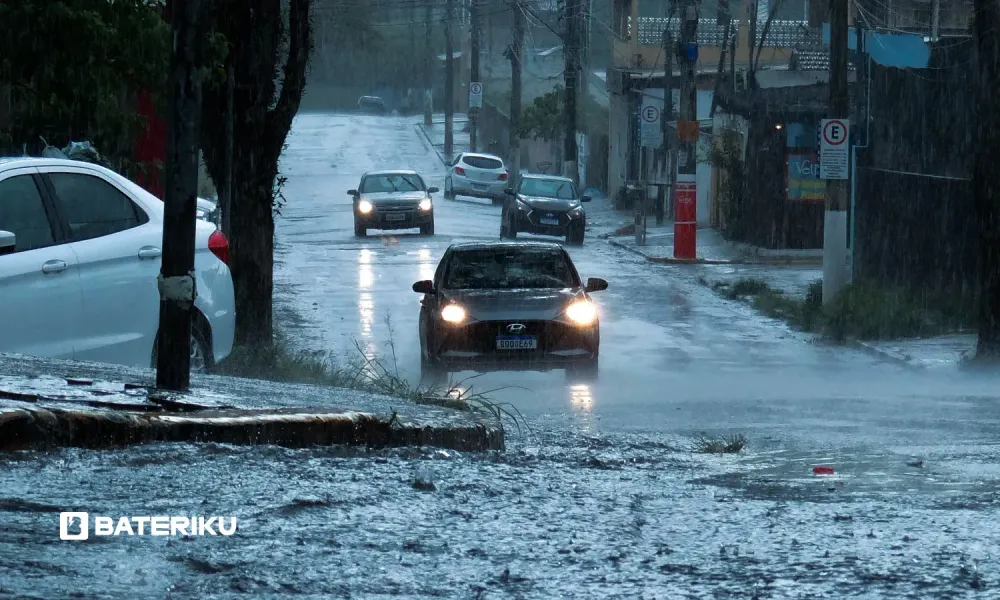
Flash floods have become a recurring concern for motorists across Malaysia, particularly during periods of heavy rainfall and the monsoon season. What starts as an ordinary afternoon downpour can quickly turn into flooded roads, traffic congestion and vehicles stranded in rising water.
From Kuala Lumpur and Selangor to other parts of the country, sudden flooding can disrupt daily commutes, damage vehicles and put road users in dangerous situations. Even familiar routes can become difficult to navigate when water levels rise faster than expected.
Flash Floods in Malaysia: Causes, Flood-Prone Areas and Essential Safety Tips for Motorists
While weather conditions are beyond our control, understanding why flash floods happen, recognising potential flood-prone areas and knowing how to respond can help motorists make safer decisions.
Whether you are commuting to work, travelling outstation or driving home during heavy rain, here is what you need to know about flash floods in Malaysia and how to protect yourself and your vehicle.
What Causes Flash Floods in Malaysia?
A flash flood occurs when water accumulates rapidly in an area, often following intense rainfall over a short period. Unlike river floods that may develop over a longer period, flash floods can happen with little warning, leaving motorists with limited time to react.
Several factors contribute to flash flooding across Malaysia:
1. Heavy Rainfall and Monsoon Seasons
Malaysia experiences two major monsoon periods: the Southwest Monsoon and the Northeast Monsoon. The Northeast Monsoon, which generally occurs between November and March, brings heavier rainfall to many parts of the country, particularly along the east coast of Peninsular Malaysia.
However, flash floods are not limited to the monsoon season. Localised thunderstorms and intense rainfall can also cause sudden flooding in urban areas throughout the year.
2. Urbanisation and Reduced Natural Drainage
Rapid urban development has increased the amount of paved surfaces, buildings and roads in many cities. These surfaces prevent rainwater from naturally soaking into the ground, resulting in greater surface runoff.
When large volumes of rainwater flow into drainage systems within a short period, existing infrastructure may struggle to handle the sudden increase.
3. Blocked or Inefficient Drainage Systems
Drains and waterways that are obstructed by rubbish, sediment or construction debris can slow down water flow. When heavy rain coincides with inadequate drainage capacity, water can accumulate quickly on roads and surrounding properties.
4. Low-Lying Areas and Local Geography
Areas situated near rivers, waterways or lower ground may be more vulnerable to flooding, especially when river levels rise or drainage channels become overwhelmed.
In some locations, even a short period of intense rainfall can cause water to collect faster than it can drain away.

Flash Flood-Prone Areas in Malaysia: Where Should Motorists Be Cautious?
There is no fixed list of roads that will flood every time it rains. Flood conditions depend on rainfall intensity, drainage capacity, river levels and local circumstances.
Nevertheless, several areas in Malaysia have experienced recurring flooding and should be approached with caution during heavy rainfall.
Klang Valley
The Klang Valley remains an important area of concern due to its dense urban development, high traffic volume and extensive road network.
Some locations previously identified in flood reports and local coverage include:
Kuala Lumpur
- Jalan Syed Putra
- Jalan Maharajalela
- Jalan Tun Razak
- Jalan Pahang and Jalan Pahang Barat
- Jalan Raja Chulan
- Jalan Peel
- Jalan Dutamas
- Jalan Genting Kelang
- Lorong Titiwangsa 11
- Jalan Sultan Azlan Shah
- Pintasan Segambut
- Jalan Kuching
- Jalan Kepong
- Jalan Universiti (KL–Petaling Jaya)
Selangor
- Taman Sri Muda, Shah Alam
- Seksyen 13, Shah Alam
- Kampung Kubu Gajah
- Jalan Kebun and Bukit Kemuning
- Kampung Tengah and Kampung Baru Hicom
These are examples of locations previously highlighted in flood-related reporting, not a real-time flood warning or confirmation that every road remains flood-prone.
Flash floods are not exclusive to the Klang Valley. Other urban centres and communities across the country like Johor Bahru, Janda Baik and Kuantan can also experience sudden flooding following heavy rainfall.
Motorists should pay particular attention to:
- Low-lying roads and residential areas near rivers.
- Underpasses, tunnels and roads with poor drainage.
- Areas surrounding construction sites and ongoing development.
- Routes with a history of water accumulation during heavy rainfall.
- Roads near riverbanks and drainage channels.
Regardless of your location, always check current weather and flood alerts before travelling. A familiar road is not necessarily a safe road when water levels begin to rise.
How Do Flash Floods Affect Your Car?
Floodwater can cause damage beyond what is visible on the outside of a vehicle. Even after the water recedes, certain components may remain affected.
Here are some common vehicle-related risks:
1. Engine Damage
Water entering the engine through the air intake can cause hydrolock, a condition where water prevents the engine from completing its normal compression cycle.
Attempting to start an engine that has taken in water can cause serious internal damage and potentially lead to expensive repairs.
2. Battery and Electrical System Problems
Floodwater can affect electrical connections, wiring, fuses and other sensitive components. Moisture and contamination may lead to short circuits, corrosion or electrical malfunctions.
A vehicle may appear normal after the flood but experience starting problems or electrical issues later.
3. Alternator and Starter Motor Damage
The alternator and starter motor are vulnerable to water exposure. If these components become damaged, the vehicle may struggle to start or fail to charge its battery properly.
4. Brake and Transmission Problems
Water contamination can affect braking performance and, depending on the level of exposure, may enter transmission components. These issues require professional inspection before the vehicle is driven again.
5. Interior Damage and Mould
Floodwater entering the cabin can damage carpets, upholstery and electronic equipment. If moisture is not properly removed, it may also cause unpleasant odours, mould growth and corrosion.
What Should You Do When Driving During Heavy Rain or Flash Floods?
When driving in unpredictable weather, your decisions can make a significant difference to your safety.
Follow these essential precautions.
1. Check Weather and Flood Alerts Before Travelling
Before starting your journey, check weather updates from the Malaysian Meteorological Department (METMalaysia) and flood information from the Department of Irrigation and Drainage (JPS).
You should also monitor official traffic updates and avoid routes where flooding has been reported.
2. Never Drive Through Flooded Roads
Do not attempt to cross a flooded road if you cannot determine the water depth or current strength. Even seemingly shallow water can conceal open drains, potholes and damaged road surfaces.
Moving floodwater can also push vehicles off their intended path. If the road ahead is flooded, turn around and find a safer alternative.
3. Avoid Sudden Braking and Accelerating
Wet roads reduce tyre grip and increase stopping distances. Maintain a safe distance from other vehicles, reduce your speed and avoid sudden steering or braking movements.
If your vehicle begins to aquaplane, ease off the accelerator and avoid abrupt braking or steering until traction returns.
4. Avoid Parking in Flood-Prone Locations
During periods of heavy rain, avoid parking near rivers, drainage channels, low-lying areas and underground parking facilities that may be vulnerable to flooding.
If possible, move your vehicle to higher ground when authorities issue flood warnings and it is safe to do so.
5. Prioritise Your Safety if Water Starts Rising
If floodwater begins surrounding your vehicle, prioritise your life and the safety of your passengers.
If you can safely move away from the flooded area, do so. If the vehicle becomes trapped, follow emergency guidance, contact 999 when necessary and leave the vehicle only when it is safe to do so.
Do not attempt to retrieve personal belongings if doing so puts you in danger.
What to Do If Your Car Gets Flooded
If your vehicle has been exposed to floodwater, resist the temptation to start the engine immediately after the water recedes.
Instead, take the following precautions:
- Switch off the engine: If the vehicle is still running and it is safe to switch it off, do so. Do not attempt to restart it.
- Move to a safe location: Get yourself and your passengers away from rising water and other hazards.
- Avoid unnecessary electrical operations: Do not repeatedly operate electrical switches or attempt to test the vehicle.
- Arrange professional inspection: Have the engine, battery, wiring, alternator, starter motor and other affected components inspected by qualified technicians.
- Arrange towing if necessary: If the vehicle cannot be driven safely, have it transported to a suitable workshop.
- Document the damage: Take photographs of the affected vehicle and keep relevant receipts and reports for insurance purposes.
Remember, a vehicle that looks fine after the water recedes may still have hidden mechanical or electrical damage. Professional inspection is essential before attempting to drive it again.
Stranded After a Flash Flood? Get Help with Bateriku Roadside Assist
A flash flood can leave motorists facing more than just traffic delays. Even after reaching a safer location, your vehicle may refuse to start, experience electrical problems or require professional towing.
This is where having access to roadside assistance can make a difference.
Bateriku Roadside Assist (RSA) provides motorists with access to roadside support when unexpected vehicle problems disrupt their journey.
Whether your car experiences starting difficulties, battery-related issues or requires towing after a flood-related incident, Bateriku can help connect you with the appropriate assistance.
With Bateriku's nationwide service network and 24-hour roadside support, motorists can seek help when they encounter unexpected vehicle trouble.
Need roadside assistance? Contact Bateriku when it is safe to do so and get the support you need to deal with unexpected vehicle problems.
Do not put yourself or others at risk trying to retrieve or restart a flooded vehicle. Emergency rescue situations should always be referred to the relevant emergency authorities.