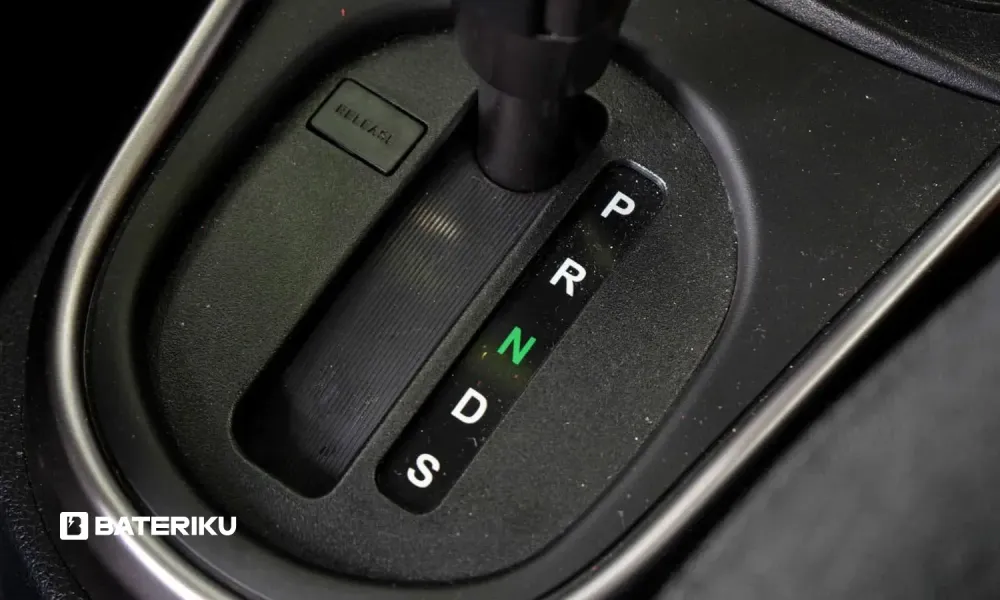
Automatic cars have become the preferred choice for most Malaysian drivers. Whether you're commuting to work, navigating city traffic, or heading out on a long-distance road trip, automatic transmissions offer convenience and ease of driving.
However, many drivers still follow habits based on advice from friends, social media, or outdated driving practices. Over time, these habits may increase wear and tear on the transmission, braking system, and other drivetrain components.
Automatic Car Do's and Don'ts: What Every Driver Should Know
So what are the real do's and don'ts of driving an automatic car?
Let's separate facts from myths and learn the best practices to keep your vehicle running smoothly.
1. At Traffic Lights: Should You Stay in D or Shift to N?
This is probably one of the most debated topics among automatic car owners.
The Myth
Many drivers believe that keeping the gear in D (Drive) while stopping at traffic lights will damage the gearbox because the transmission is constantly engaged.
The Reality
If you're stopping for a short period, such as less than 30 seconds, it's generally fine to remain in D while keeping your foot on the brake.
However, if you're waiting at a long traffic light, railway crossing, or experiencing prolonged traffic congestion, shifting to N (Neutral) can help reduce unnecessary load on the transmission and engine.

Why N Can Be Better During Longer Stops
- Reduces strain on the transmission system
- Reduces heat build-up in the gearbox
- Allows the engine to operate with less load
- Minimises pressure on the brake system from continuous braking
Avoid This:
- Shifting into P (Park) at every traffic light
- Constantly switching between D and P during traffic
The P gear is designed for parking, not temporary stops.
2. Parking Your Car: Handbrake First or P First?
Many drivers immediately shift into P and then engage the handbrake.
While this seems harmless, it's actually not the best method.
The Correct Sequence
When parking:
- Come to a complete stop.
- Keep your foot on the brake.
- Engage the parking brake (handbrake).
- Release the foot brake slightly to let the vehicle's weight settle on the parking brake.
- Shift the gear into P.
- Turn off the engine.
When you shift into P, a small locking mechanism called the parking pawl locks the transmission. If the vehicle's weight is resting entirely on this component especially on slopes, it can place unnecessary stress on the transmission.
Using the parking brake first allows the vehicle's weight to be supported by the braking system instead of the gearbox. Benefits:
- Reduces stress on the transmission
- Prevents the gear lever from becoming difficult to shift out of P
- Helps prolong gearbox lifespan
3. Should You Use N While Driving Downhill?
Some drivers believe shifting to N (Neutral) while going downhill helps save fuel.
This practice was more common in older vehicles, but it is not recommended in modern cars.
Why It's Dangerous?
When driving downhill in Neutral:
- Engine braking is lost
- Vehicle speed can increase more rapidly
- Drivers rely entirely on the braking system
- Brake temperatures may increase during long descents
- Vehicle control can be reduced in emergency situations
What You Should Do Instead?
Use lower gears such as:
- L (Low)
- 2
- 3
- Manual mode (if available)
These gears help the engine control vehicle speed through engine braking.
Benefits of Using Lower Gears Downhill
- Better vehicle control
- Less brake wear
- Reduced brake overheating risk
- Improved safety on steep slopes
4. Which Gear Should You Use When Driving Uphill?
Another common question among drivers is whether they should remain in D or select lower gears when climbing hills.
The Reality
For most situations, modern automatic transmissions can handle uphill driving in D.
However, on steep roads, mountain routes, or when carrying heavy loads, using lower gears can improve performance.
When to Use L, 2 or 3?
Consider selecting lower gears when:
- Driving up steep inclines
- Towing a trailer
- Carrying a full load of passengers
- Driving on winding mountain roads
Why Lower Gears Help
Lower gears:
- Prevent excessive gear hunting
- Provide more consistent power delivery
- Improve engine responsiveness
- Reduce transmission strain
If you're familiar with the road conditions ahead, selecting a lower gear can make the climb smoother and more efficient.
5. Other Habits to Avoid in Automatic Cars
Apart from gear selection, avoid these common mistakes:
Avoid Shifting to P Before the Vehicle Stops
Always come to a complete stop before selecting Park.
Avoid Switching Between D and R While Rolling
Wait until the vehicle fully stops before changing direction.
Avoid Riding the Brakes
Continuous light braking can cause premature brake wear and overheating.
Don't Ignore Transmission Warning Signs
Watch out for:
- Delayed gear engagement
- Jerking during gear changes
- Burning smells
- Transmission warning lights
- Unusual noises
These symptoms could indicate developing gearbox issues that require professional diagnosis.
Small Habits Make a Big Difference
Modern automatic transmissions are designed to be durable, but proper driving habits can significantly extend their lifespan.
Remember these simple rules:
- Use N for prolonged stops, not P
- Engage the handbrake before shifting into P
- Never coast downhill in Neutral
- Use lower gears for better control on steep slopes
- Avoid harsh transmission habits
A well-maintained transmission not only improves driving comfort but can also save you thousands of ringgit in future repair costs.
Need a Gearbox or Vehicle Health Check?
If you notice delayed gear shifts, unusual vibrations, warning lights, or suspect transmission problems, don't wait until a minor issue becomes a major repair.
Visit your nearest BGarage for professional vehicle diagnostics, gearbox inspections, and comprehensive automotive troubleshooting services. Our trained technicians use advanced diagnostic equipment to identify issues accurately and recommend the right solution for your vehicle.
With more than 260 Bateriku Pitstops nationwide, help is never far away. Book your vehicle inspection today and drive with confidence knowing your car is in good hands.